
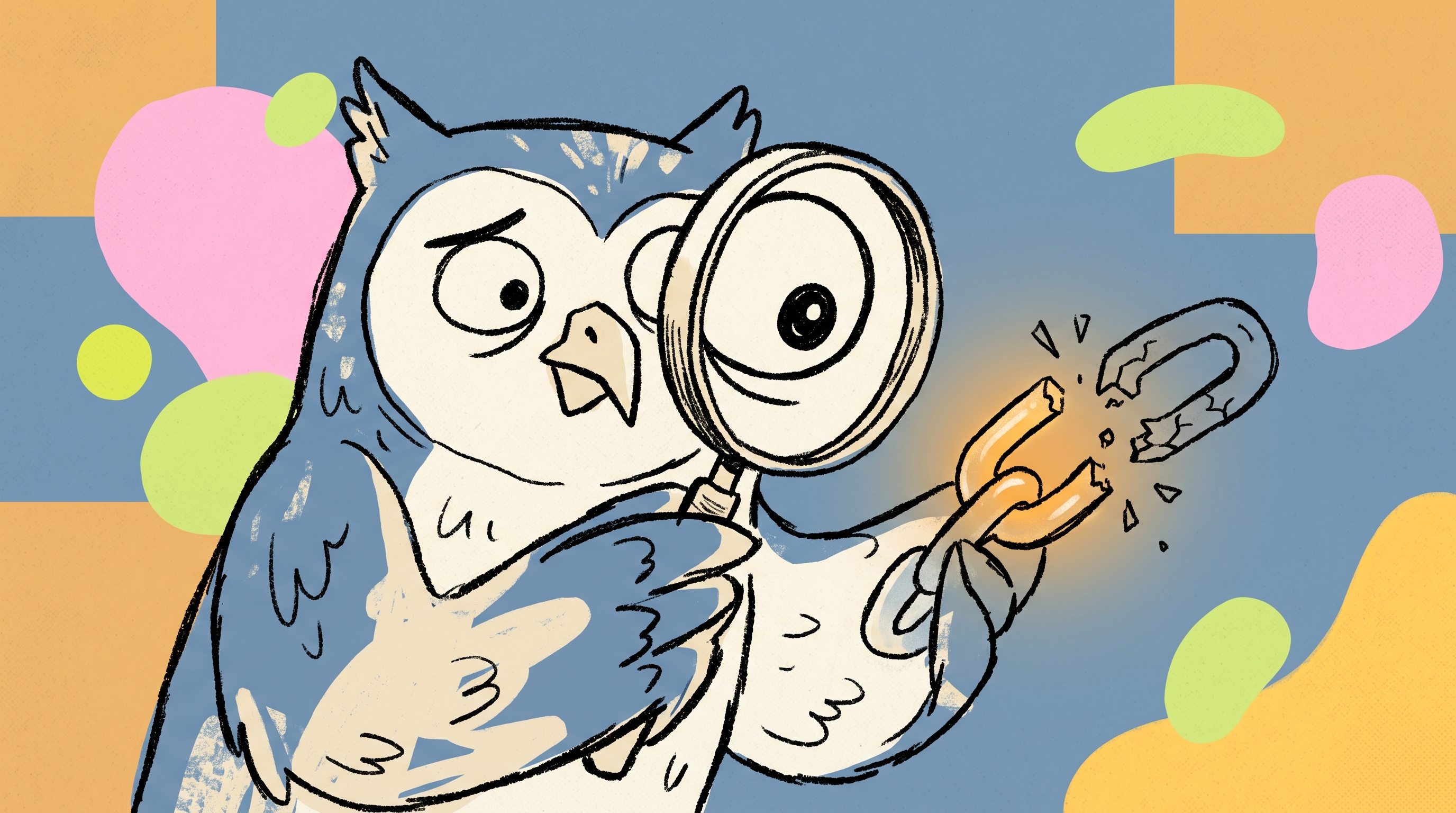
What Is Link Reclamation and Why It Matters
Link reclamation is the practice of finding and recovering backlinks that once pointed to your site but no longer do. Think of it as SEO archaeology. You dig through your backlink history, identify what went missing, and try to restore it.
The reason this matters is simple economics. Building a new backlink from scratch might cost you anywhere from $100 to $500 in time, effort, or direct payment. Reclaiming a lost link costs you an email. Maybe two.
That is not to say recovery is easy. It requires persistence, diplomacy, and a bit of detective work. But the return on effort is hard to beat.
How Backlinks Get Lost (And How Much It Costs You)
Understanding why links disappear helps you prioritize which ones to chase.
Site redesigns and deleted pages. This is the big one. A company launches a new website, migrates content, and forgets to redirect old URLs. Your backlink now points to a 404 page. The link equity is trapped in limbo.
Content updates that remove your link. Editors refresh old articles. In the process, they trim external links to keep things clean. Your carefully placed backlink gets cut because the editor no longer sees it as essential.
Dofollow changed to nofollow. Some sites change their linking policy retroactively. One day your link passes authority. The next day it does not. The visual appearance is identical, so you will not notice without checking.
Entire domains going offline. The site you got a link from might go out of business, let its domain expire, or get deindexed. There is not much you can do here, but it is worth knowing so you stop counting that link in your mental tally.
How to Find Lost Backlinks Step by Step
Let us get practical.
Step 1: Export your current backlink profile. Use whatever tool you have access to. Google Search Console, a free backlink checker, or a paid tool if you have one. You need a baseline list of links that should exist.
Step 2: Filter for high-value lost links. Not every lost link is worth recovering. Focus on links from domains with decent authority, relevant niches, and pages that actually drove traffic. A lost link from a DR 5 blog that never sent a visitor? Probably let it go.
Step 3: Identify why each link disappeared. Visit the linking page. Is it a 404? Was the content rewritten? Did the site change owners? The reason determines your recovery strategy.
Step 4: Prioritize by domain authority and traffic. Create a shortlist of ten to twenty links that actually matter. These are your targets. Everything else can wait.
The Recovery Outreach Playbook
Now comes the part nobody enjoys: sending emails.
Email templates that actually work. Keep it short, specific, and polite. Mention the exact page, the missing link, and why it mattered to their readers. Do not demand. Do not guilt-trip. Just ask nicely.
Here is a framework that works: “Hi [Name], I noticed your recent redesign and wanted to reach out. I previously found a link to [my page] in your article about [topic], which I found really valuable. It looks like the link may have been lost in the update. Would you consider restoring it? Happy to provide updated content if that helps.”
When to offer updated content. If the page was rewritten because the old content was outdated, offer a fresh resource. This gives the editor a reason to link to you again.
When to walk away. Sometimes the site owner ignores you. Sometimes they say no. Sometimes the site no longer exists. Do not chase ghosts. Spend your energy where there is a realistic chance of success.
How to Prevent Future Link Loss
Reclamation is reactive. Prevention is better.
Set up automated backlink monitoring. Tools like BacklinkGuard check your links daily and alert you when something changes. Catching a lost link within days, rather than months, dramatically improves your recovery odds. You can set it up at https://backlinkguard.craften.io/ and let it run quietly in the background.
Build relationships with linking site owners. This sounds obvious, but it is rare. If an editor knows you as a person, not just a URL in their content, they are far less likely to remove your link during an update. Comment on their posts. Share their content. Be a decent human.
Tools That Make Link Reclamation Easier
You do not need a full SEO suite to reclaim links. A simple backlink monitor that tracks link presence and page status is enough for most reclamation workflows. Pair that with a basic email finder, and you are equipped to handle 90% of cases.
FAQ
What percentage of lost links can I realistically recover? Industry estimates hover around 20-30%. It depends on the reason for loss and your outreach quality.
How long does recovery take? Anywhere from a few days to never. Most responses arrive within a week if they arrive at all.
Should I disavow lost links? No. Disavowing is for toxic links you still have. Lost links are already gone. Disavowing them is pointless.
Can I reclaim links from deleted sites? Usually not. If the domain expired, your best bet is buying it yourself, which is rarely worth it.